The smart Trick of Dental Sense That Nobody is Talking About
The smart Trick of Dental Sense That Nobody is Discussing
Table of ContentsIndicators on Dental Sense You Should KnowDental Sense Fundamentals ExplainedSome Known Facts About Dental Sense.Some Known Details About Dental Sense
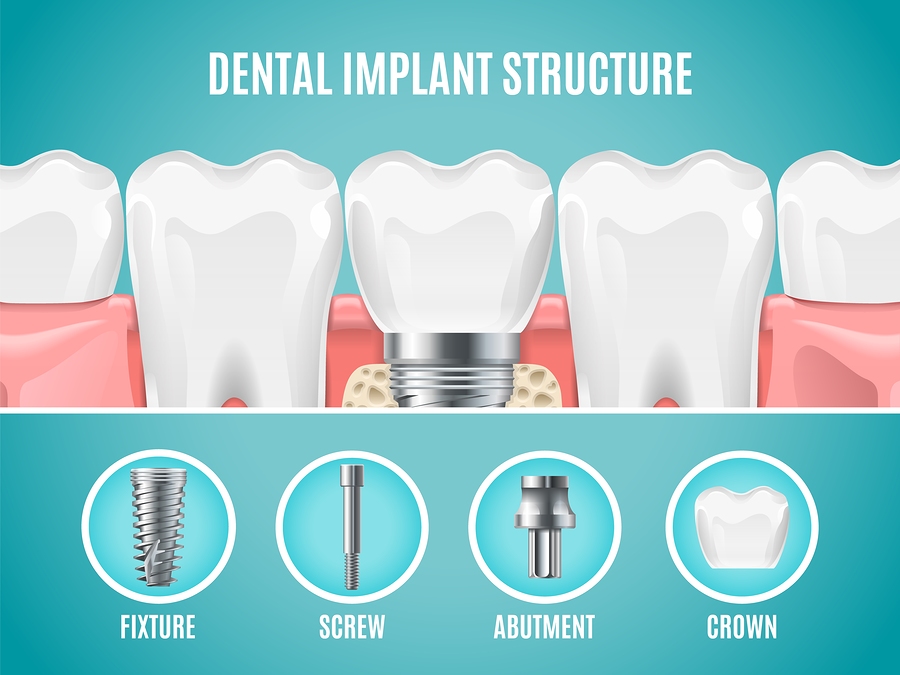
are clinical devices surgically dental implanted into the jaw to recover a person's capacity to chew or their look. They give support for artificial (fake) teeth, such as crowns, bridges, or dentures. When a tooth is lost as a result of injury or disease, a person can experience problems such as quick bone loss, defective speech, or adjustments to chewing patterns that lead to pain.Oral implant systems include a dental implant body and dental implant joint and might also consist of a joint fixation screw. Front tooth filling. The oral implant body is surgically placed in the jawbone instead of the tooth's root. The oral implant joint is usually connected to the implant body by the abutment fixation screw and prolongs via gums into the mouth to sustain the attached synthetic teeth
(https://justpaste.it/hj6ob)Structure of The Dental Implant System selecting oral implants, speak with your oral supplier about the prospective benefits and threats, and whether you are a candidate for the treatment. Points to consider: Your general health and wellness is an important consider determining whether you are a good candidate for oral implants, how much time it will require to recover, and for how long the dental implant might remain in location.
Cigarette smoking might influence the healing process and decrease the long-term success of the dental implant. The healing process for the implant body may take numerous months or longer, throughout which time you typically have a short-lived abutment in location of the tooth. the dental implant treatment: Meticulously adhere to the oral hygiene guidelines offered to you by your oral service provider.
Little Known Questions About Dental Sense.
Implant failure can lead to the requirement for an additional surgery to fix or replace the implant system. Recovers the ability to eat Recovers aesthetic appearance Helps keep the jawbone from diminishing due to bone loss Protects the health of the surrounding bone and gum tissues Helps maintain adjacent (close-by) teeth steady Improves quality of life Damages to bordering natural teeth during implant placement Injury to the surrounding tissues throughout surgery, such as sinus opening Injury during surgical treatment (as an example, fracture of bordering jawbone) Insufficient function, such as seeming like the teeth do not attack with each other typically An experience that the tooth is loosened or turning in location resulting from a joint screw loosening up Implant body failure (looseness of the dental implant body) due to systemic infection, which may be more probable in clients with unchecked diabetes mellitus as a result of regional infection in bone and periodontals sustaining the implant body due to delayed recovery, which may be most likely in clients that smoke Trouble cleansing the periodontals around the implant, resulting in poor dental hygiene Untreated periodontal disease Post-surgical tingling due to nerve impingement or damages Constantly notify healthcare carriers and imaging specialists that you have dental implants before any kind of magnetic resonance imaging (MRI) or x-ray procedures.
FDA is not knowledgeable about any type of damaging events reported for MRI or x-ray treatments with oral implants. Oral implants systems are typically made from products that comply with worldwide agreement criteria of the International Company for Standardization (ISO) or ASTM International. These criteria have information of what makes a risk-free product.
An oral implant is a structure that replaces a missing out on tooth. With screw-like devices, the surgeon inserts an implant right into the jawbone, and it acts as a support for a fabricated tooth, called a crown.
Little Known Questions About Dental Sense.
Some people are not eligible for dental implant surgical treatment. It is for oral surgeons to operate on individuals with: severe illnessuncontrollable metabolic diseasebone or soft tissue disease or infectionIf these problems are solved, an individual can have the surgical treatment. In, oral cosmetic surgeons refrain from running on individuals with: If people with any one of the above undertake dental implant surgery, there is a greater threat of the implant stopping working.
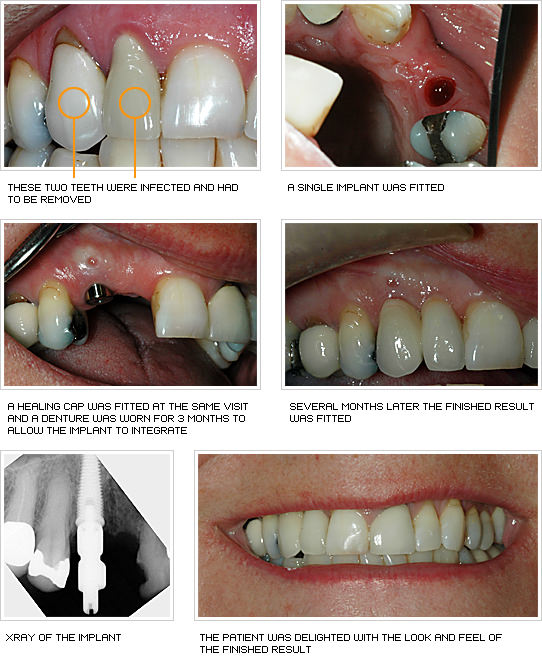
Dental implant surgery is a personalized process. Offer you time to recover. Connect the post and final crown, bridge or denture.
Next, your surgeon will carefully put the dental implant right into your jaw. If your dental implant is near the front of your mouth, your dental practitioner will make a momentary tooth for you to put on until you heal.
Dental Sense for Dummies
Throughout the go to these guys healing stage, your jawbone needs to fuse to the dental implant. This process can take anywhere from three to 9 months.
Once your dental implant heals, your dental practitioner can affix the abutment (little connector article) and your last repair (crown, bridge or denture). This normally takes concerning one hour to complete and might call for a second minor surgery. You should not really feel any pain throughout your oral implant procedure because your company will utilize medication to numb your periodontals.